Cataract Surgery
Clear vision restored, with the lens that suits how you actually live
A cataract is not a film that grows over the eye — it is your own lens turning cloudy. Surgery replaces it. What takes thought is not whether to operate, but which lens goes in, and that decision should be yours after seeing your measurements.
What a cataract actually is
Inside your eye sits a clear lens about the size of an aspirin. From your forties onward its proteins slowly clump and stiffen, scattering light instead of focusing it. That scattering is a cataract: colours dull, headlights halo, and the world takes on a yellow-brown cast so gradually that most people only notice when one eye is covered.
No drop, exercise or supplement reverses it. But cataract surgery is among the most refined operations in medicine — around fifteen minutes, under local anaesthetic, through an incision small enough to seal itself without a stitch.
Not sure if this applies to you?
A single examination answers it definitively. If you do not need treatment, we will tell you that too — and when to come back.
Signs it is time to get measured
Cataract is diagnosed on examination, not on symptoms alone — but these are what usually brings people in.
Cloudy or misty vision
Like looking through a windscreen that will not wipe clean. It usually affects one eye more than the other.
Glare and haloes at night
Oncoming headlights starburst. Many people quietly stop driving after dark long before they mention it.
Frequent prescription changes
A new pair of glasses every few months that never quite works is a classic early sign.
Colours looking faded
Whites turn cream, blues turn grey. Most people only realise after the first eye is done.
Double vision in one eye
Ghosting that persists when the other eye is closed points to the lens, not the brain.
Needing brighter light to read
If you have added lamps to a room over the last two years, that is data.
What accelerates a cataract
Age is the main driver, but several things bring it forward — and two of them are worth acting on.
- AgeMost cataracts become visually significant after 55. It is a normal ageing change, not a disease you caught.
- DiabetesRaises the risk substantially and brings it forward by years. Sugar control genuinely slows it.
- Ultraviolet exposureDecades of unshielded sun accelerate lens changes. Sunglasses are not vanity in this climate.
- Steroid useLong-term steroids, whether drops, inhalers or tablets, can cause a distinct posterior subcapsular cataract.
- Eye injury or previous surgeryTrauma may cause a cataract years later, sometimes in an otherwise young eye.
- SmokingA consistent, dose-related risk factor across large studies.
How the surgery is done
Two approaches, both removing the cloudy lens and replacing it with a clear implant. The difference lies in how the first steps are performed.
Phacoemulsification (micro-incision)
The standard worldwide. A 2.2 mm incision, ultrasound energy to break the lens into fragments, gentle aspiration, and a folded IOL inserted through the same opening. No stitches, no eye pad in most cases.
Femtosecond laser-assisted
A laser performs the incision, the capsule opening and the initial lens softening with computer-guided precision before the surgeon completes the procedure. Useful in dense lenses, astigmatism correction and premium lens cases where centration matters.
Which lens goes in your eye
The implant is permanent, so this is the conversation worth having slowly. There is no universally best lens — only the one that fits your cornea, your retina and how you spend your days.
| Lens type | What it does | Best suited to | Glasses after? |
|---|---|---|---|
| Monofocal | One clear focal distance, usually set for distance vision | Anyone wanting the most predictable, well-proven result | Reading glasses |
| Aspheric monofocal | Monofocal with improved contrast, especially at night | Night drivers and larger pupils | Reading glasses |
| Toric | Corrects existing corneal astigmatism as well as the cataract | Astigmatism over roughly 1 dioptre | Reading glasses |
| Multifocal / EDOF | Distance and near, or an extended range of focus | People strongly motivated to drop glasses, with a healthy retina | Rarely |
| Toric multifocal | Both astigmatism correction and multifocality | Astigmatism plus a wish for spectacle independence | Rarely |
| Scleral-fixated (SFIOL) | Anchored to the eye wall when natural support is absent | Trauma, dislocated lenses, complicated cases | Varies |
Multifocal lenses trade a little night-time contrast for freedom from glasses. That trade is right for many people and wrong for some — particularly night drivers and eyes with macular disease. We will tell you which group you are in.
Why waiting too long makes it harder
There is no prize for enduring a cataract. Delay does not just cost you clear years — it can make the operation itself more difficult.
Dense lenses are harder to remove
A rock-hard cataract needs more ultrasound energy, which means a longer procedure and slower recovery.
Risk of secondary glaucoma
A swollen mature cataract can block fluid drainage and raise pressure — a genuine emergency.
Falls and fractures
Poor contrast vision is a well-documented cause of falls in older adults. Cataract surgery measurably reduces that risk.
Better measurements, better outcome
Lens power calculations are more accurate before the cataract becomes too dense to see through.
Independence
Reading, cooking, banking, recognising faces — the things people give up quietly, one at a time.
When to get your eyes checked
| Your situation | Recommended check-up |
|---|---|
| Age 40–55, no symptoms | Every 2 years |
| Age 55 and above | Every year |
| Diabetes, any age | Every year, without fail |
| Family history of glaucoma | Every year from age 40 |
| Noticing glare, haloes or dimming | Now — do not wait for the next cycle |
| After cataract surgery | Day 1, week 1, week 4, then annually |
The equipment behind the diagnosis
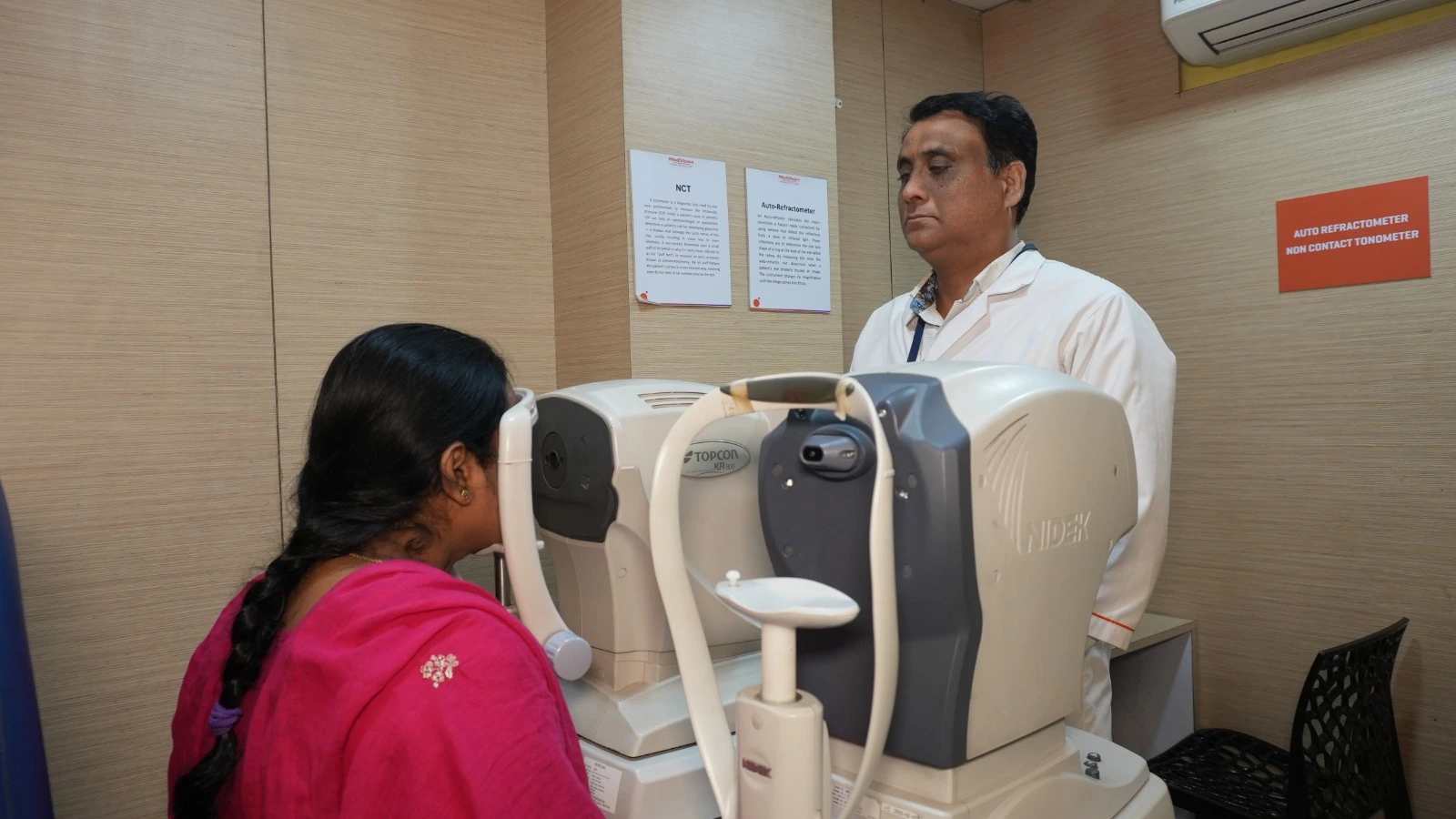
A recommendation is only as good as the measurement it rests on. These are the machines your findings come from.
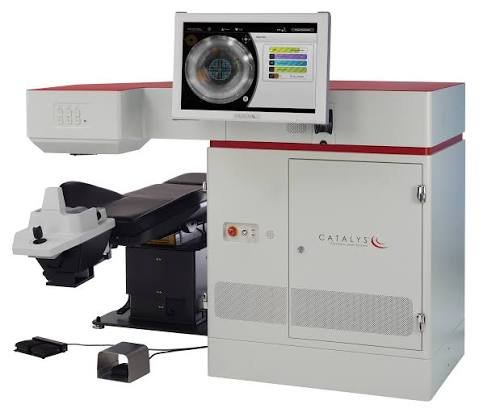 CATALYS Precision Laser
Femtosecond laser-assisted cataract surgery
CATALYS Precision Laser
Femtosecond laser-assisted cataract surgery
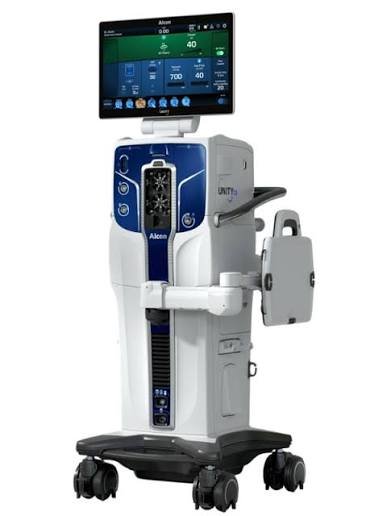 Alcon UNITY Vision System
Next-generation phacoemulsification platform
Alcon UNITY Vision System
Next-generation phacoemulsification platform
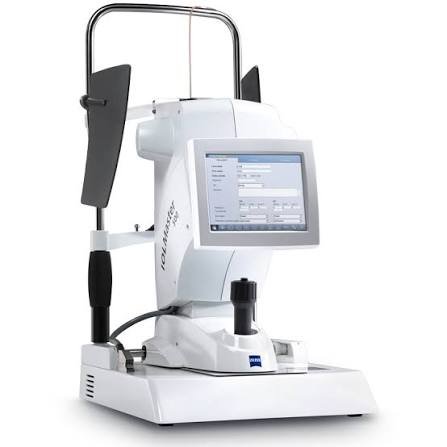 IOLMaster 700
Swept-source optical biometry for lens power
IOLMaster 700
Swept-source optical biometry for lens power
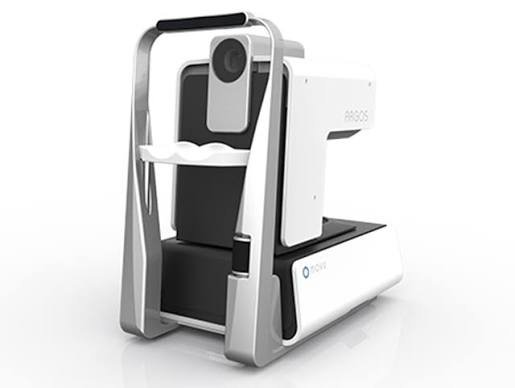 ARGOS Optical Biometer
Biometry that reads through dense cataracts
ARGOS Optical Biometer
Biometry that reads through dense cataracts
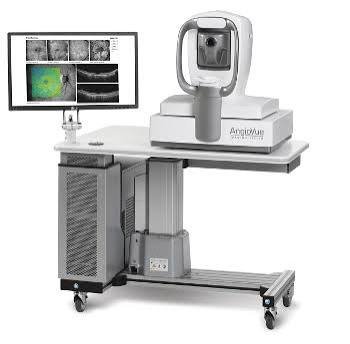 OCT & OCT Angiography
Confirms the retina is healthy before lens choice
OCT & OCT Angiography
Confirms the retina is healthy before lens choice
Step by step, from first visit to final review
No surprises. Here is exactly how this unfolds.
-
Consultation and measurement
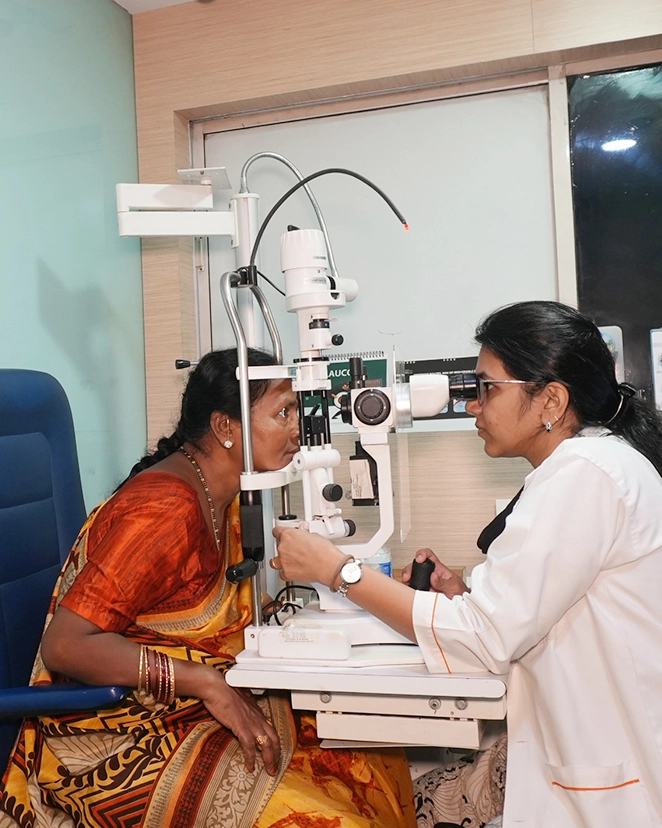
Vision testing, dilated examination, and optical biometry to measure your eye precisely. An OCT scan checks the retina — because a multifocal lens in an eye with macular disease is a poor idea.
-
Choosing your lens
You see your own numbers and get a plain explanation of what each lens would mean for your daily life, with costs. No pressure to take the premium option.
-
Pre-operative checks
Blood sugar, blood pressure and a physician clearance if needed. We tell you which regular medicines to continue — most of them.
-
Surgery day
About two hours in hospital, fifteen minutes of it operating. Local anaesthetic drops, no injection in most cases, no general anaesthetic. You walk out.
-
Day one review
Most people see a clear improvement by the next morning. Drops for four to six weeks, and a shield at night for the first week.
-
The second eye and beyond
Usually operated one to four weeks later. A final refraction at four to six weeks decides whether you need reading glasses.
Why patients choose us for cataract
1,35,000+ surgeries since 1993
Volume matters in cataract surgery. Our surgeons operate weekly, not occasionally.
NABH-accredited across all centres
Independently audited theatre protocols, sterilisation and patient safety systems.
Measurement before recommendation
Nobody is offered a premium lens before their biometry and OCT are on the screen in front of them.
Costs in writing, upfront
A full estimate including lens, tests and follow-ups before anything is booked. Cashless insurance handled in-house.
Five centres, one protocol
The same surgeons, lenses and standards whether you come to Masab Tank or Nalgonda.
Consultants who handle cataract
The same consultants practise across our centres — you get the specialist, not the postcode.
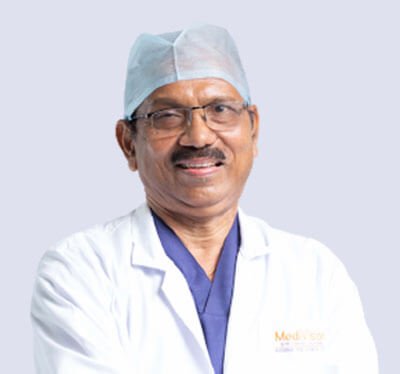 Dr. K. Ravi Kumar ReddyFounder · Sr. Consultant Ophthalmologist & Phaco Surgeon
Refractive
Dr. K. Ravi Kumar ReddyFounder · Sr. Consultant Ophthalmologist & Phaco Surgeon
Refractive
 Dr. K. Rupak Kumar ReddyConsultant Ophthalmologist & Refractive Surgeon
Comprehensive
Dr. K. Rupak Kumar ReddyConsultant Ophthalmologist & Refractive Surgeon
Comprehensive
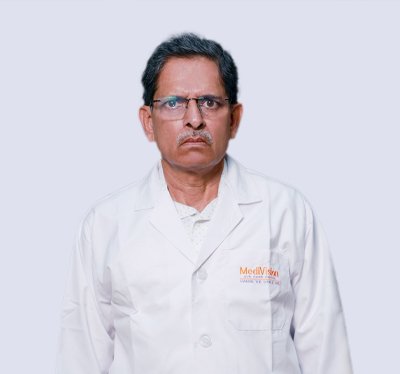 Dr. Prem Prakash ReddySr. Consultant Ophthalmologist
Cataract
Dr. Prem Prakash ReddySr. Consultant Ophthalmologist
Cataract
 Dr. Anusha PoreddyPhaco & Refractive Surgeon
Cataract
Dr. Anusha PoreddyPhaco & Refractive Surgeon
Cataract
 Dr. A. Vani ReddySenior Phaco Surgeon
Cataract
Dr. A. Vani ReddySenior Phaco Surgeon
Cataract
 Dr. B. Venu GopalCataract Surgeon
Comprehensive
Dr. B. Venu GopalCataract Surgeon
Comprehensive
 Dr. Thota Padma SreeConsultant Ophthalmologist
Cataract
Dr. Thota Padma SreeConsultant Ophthalmologist
Cataract
 Dr. Priyank MaheshwariConsultant Ophthalmologist & Phaco Surgeon
Where cataract is available
Listed plainly so you do not travel to the wrong centre.
| Centre | Status | What is offered |
|---|---|---|
| Masab Tank, Hyderabad | Available | Micro-incision phaco, femtosecond laser-assisted, full premium IOL range |
| KPHB, Kukatpally | Available | Micro-incision phacoemulsification with the full IOL range |
| Warangal | Available | Phacoemulsification with monofocal, toric and multifocal IOLs |
| Nalgonda | Available | Phacoemulsification with monofocal, toric and multifocal IOLs |
| Badvel, Kadapa | Available | Micro-incision phacoemulsification, scheme coverage applied where eligible |
Cataract Surgery — your questions answered
Is cataract surgery painful?
No. Anaesthetic drops numb the eye completely — most people describe pressure and light, not pain. You are awake but comfortable, and the eye is not "cut open" in the way people imagine: the incision is about 2.2 mm and seals itself.
How long does the operation take?
Roughly fifteen minutes of actual surgery. Budget around two hours at the hospital for preparation, the procedure and a short recovery period before you go home.
When will my vision improve?
Many people notice a difference the next morning. Vision typically sharpens over the first week and settles fully by four to six weeks, which is when a final spectacle prescription is given if you need one.
Can both eyes be done on the same day?
We generally operate one eye at a time, usually one to four weeks apart. It lets us confirm the refractive result of the first eye and fine-tune the lens power for the second — a meaningful accuracy gain.
Will I still need glasses?
With a monofocal lens, you will need reading glasses. With a multifocal or extended-depth-of-focus lens, most people manage most tasks without glasses, though fine print in dim light can still need them. No lens guarantees total independence.
Is cataract surgery the same as LASIK?
No. LASIK reshapes the cornea to correct a prescription. Cataract surgery removes and replaces the lens inside the eye. They treat different structures for different reasons — though a lens implant does also correct much of your prescription.
Can it be done if I also have glaucoma or diabetic retinopathy?
Yes, and often it should be. Cataract surgery can be combined with glaucoma procedures such as MIGS. With diabetic retinopathy we usually stabilise the retina first, because clear media makes retinal treatment easier and the visual result more predictable.
Does the cataract come back?
The cataract itself cannot return — the lens is gone. Some people develop clouding of the thin membrane behind the implant months or years later. That is treated in a few painless minutes with a YAG laser, in the clinic, without any incision.
Is it covered by insurance?
Cataract surgery is covered by most health insurance policies and by CGHS, ECHS, Aarogyasri and Ayushman Bharat. Premium lenses may carry a top-up that insurance does not cover. Our insurance desk handles pre-authorisation and tells you the exact out-of-pocket figure beforehand.
Often looked at alongside this
Comprehensive Ophthalmology
A full diagnostic examination that checks the whole eye — not just what prescription you need.
Learn moreRetina Care
Diabetic retinopathy, macular degeneration and retinal detachment — screened early, treated with injections, laser or vitrectomy.
Learn moreGlaucoma Treatment
The vision glaucoma takes does not come back — which is why detection, not treatment, is the real work.
Learn moreLASIK & Refractive Surgery
Freedom from glasses through LASIK, SILK, PRK, ICL or refractive lens exchange — matched to your cornea, not to a trend.
Learn moreFind out how much of your vision is cataract
A measured examination tells you exactly where you stand — and whether it is time to act or time to wait. Both are valid answers.