Comprehensive Eye Care
A full examination of the eye, not just a test for your spectacle number
Most eye disease is silent at the stage when it is easiest to treat. Glaucoma, diabetic retinopathy and early macular change cause no pain and no blurring until damage is already done. A proper examination looks for them whether or not you have a complaint.
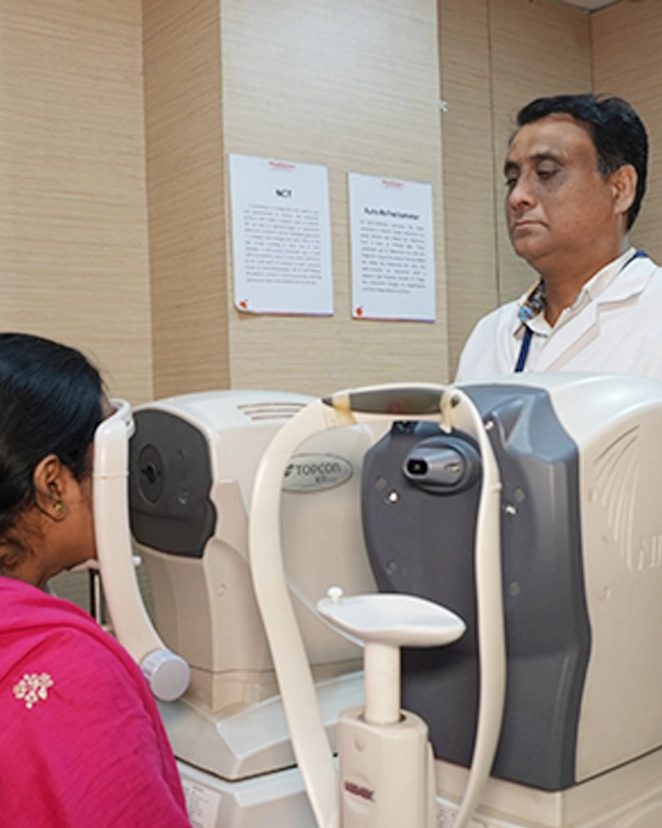
What a comprehensive examination really means
A spectacle test answers one question: what lens power makes the chart sharpest today. It says nothing about the pressure inside your eye, the health of your optic nerve, the state of your retina or whether your tear film is failing. Those are separate examinations, and they are the ones that find disease.
A comprehensive eye examination is an ophthalmologist working through the whole eye in order, from the tear film at the front to the optic nerve at the back, with dilating drops so the retina can actually be seen. Where the findings raise a question, a scan answers it the same day. Where they do not, we say so and send you home without one.
Not sure if this applies to you?
A single examination answers it definitively. If you do not need treatment, we will tell you that too — and when to come back.
What a full check-up actually includes
Every one of these is done at a comprehensive visit. If any is skipped, it was not a comprehensive check-up.
- Vision and refractionDistance and near vision, then an objective and subjective refraction to establish your true spectacle number rather than the one you have grown used to.
- Intraocular pressureMeasured on applanation tonometry, which is the reference standard. Raised pressure is the single most treatable risk factor for glaucoma, and you cannot feel it.
- Slit-lamp examination of the front of the eyeLids, lashes, conjunctiva, cornea, tear film, iris and lens under high magnification. This is where dry eye, allergy, early cataract and corneal disease are picked up.
- Dilated retinal examinationDrops widen the pupil so the retina, macula and optic nerve can be seen right out to the periphery. Vision stays blurred for four to six hours afterwards, so arrange a lift home.
- Optic nerve assessmentThe cup-to-disc ratio, rim thinning and any asymmetry between the two eyes. This is the finding that decides whether a glaucoma workup is needed.
- Ocular motility and alignmentHow the two eyes move and work together. Adult onset double vision and childhood squint are both caught here.
- Scans, only when indicatedOCT, visual fields, topography or retinal photography are added when the examination raises a specific question. We do not run every machine on every patient.
Risk that has nothing to do with symptoms
These groups need a scheduled examination regardless of how well they think they are seeing.
Diabetes, any duration
Retinopathy is present in a large share of people who have had diabetes for over ten years, and it is entirely painless until the macula or the vitreous is involved. A yearly dilated check is not optional.
High blood pressure
The retina is the only place in the body where blood vessels can be seen directly. Hypertensive changes there tell us how the rest of your vasculature is faring.
Family history of glaucoma
A first-degree relative with glaucoma raises your own risk several times over. Yearly pressure and optic nerve checks should start at 40, earlier if the relative was diagnosed young.
Age 40 and above
Presbyopia, early cataract, glaucoma and macular change all cluster after 40. Two-yearly checks to 55, then yearly.
Long hours on screens
Screen work does not damage the eye, but it halves your blink rate and unmasks dry eye and uncorrected small refractive errors. Persistent evening headaches usually have one of those two causes.
High myopia or long-term steroids
Myopia beyond about 6 dioptres raises the risk of retinal tears and detachment. Steroid drops, inhalers or tablets can raise eye pressure and cause cataract, sometimes within months.
What the symptom usually means, and how fast to act
Not every eye symptom is urgent and not every urgent one hurts. This is the honest sorting we use on the phone.
| What you notice | What it may point to | How soon to be seen |
|---|---|---|
| Gradual blurring, worse at night | Cataract, uncorrected refractive error | Routine appointment |
| Tired, gritty, watering eyes by evening | Dry eye, digital eye strain, blepharitis | Routine appointment |
| Frequent change of spectacle power | Early cataract, or unstable blood sugar | Within a few weeks |
| Headache around the eyes while reading | Uncorrected refractive error, presbyopia | Within a few weeks |
| A new floater or two, no other change | Age-related vitreous change, usually harmless | Within a week, to rule out a tear |
| A shower of floaters or flashing lights | Retinal tear or early detachment | Same day |
| A curtain or shadow across part of the vision | Retinal detachment | Same day, treat as emergency |
| Sudden painless loss of vision in one eye | Vascular occlusion, vitreous haemorrhage | Immediately |
| Severe eye pain with redness, haloes, vomiting | Acute angle-closure glaucoma | Immediately |
| Chemical splash, injury, or something embedded | Ocular trauma | Immediately, after rinsing with clean water for 15 minutes |
Anything in the last four rows should not wait for an appointment slot. Call our 24x7 emergency desk on +91 40-4245 6666 and come to the Masab Tank centre. Sight lost to a detachment or an occlusion is often recoverable within hours and rarely recoverable after days.
The conditions this clinic manages day to day
Most people who come for a check-up leave with one of these, and most of them are managed here without any referral.
Dry eye disease
Common in Hyderabad because of air conditioning, dust and screen hours. We look at tear break-up time and the meibomian glands rather than simply handing over lubricating drops, since evaporative dry eye and aqueous deficiency need different treatment.
Digital eye strain
Aching, blurred vision at the end of the day and difficulty shifting focus from screen to distance. The fix is usually an accurate near correction, a blink and break routine, and treating the dry eye underneath. It is not a condition that damages the eye, and we will say so plainly.
Allergic eye disease
Itching, stringy discharge and swollen lids, worst in spring and in dusty months. Vernal keratoconjunctivitis in children needs proper follow-up, because repeated eye rubbing is a genuine risk factor for keratoconus.
Refractive error and presbyopia
Myopia, hyperopia, astigmatism and the near vision change that arrives in the forties. A correct prescription, an honest opinion on whether LASIK or SILK suits your cornea, and no pressure to buy anything.
Early cataract, glaucoma and retinopathy
These are found at routine visits, not because of a complaint. Finding them early is the entire point of the examination, and in the early stage the answer is often watchful follow-up rather than treatment.
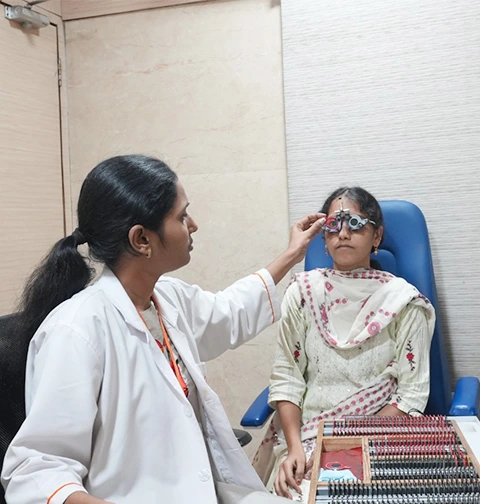
Ten specialities, so a finding never becomes a referral letter
If the examination turns something up, the specialist is down the corridor. Each of these runs as a full clinic with its own consultants and theatre lists.
Cataract surgery
Micro-incision phacoemulsification and femtosecond laser-assisted surgery, with monofocal, toric and multifocal lens options explained against your own biometry.
LASIK and refractive surgery
LASIK, PRK, ICL and refractive lens exchange, chosen on corneal thickness and topography rather than on what you read about.
SILK laser vision correction
Flapless, bladeless correction on the ELITA platform, suited to thinner corneas and to patients with a dry eye tendency.
Cornea and dry eye
Keratoconus cross-linking, corneal transplantation, infective keratitis and a dedicated dry eye clinic with IPL therapy.
Retina care
Diabetic retinopathy, macular degeneration, vein occlusions and retinal detachment, treated with injections, laser or vitrectomy.
Glaucoma treatment
Perimetry, OCT of the nerve fibre layer, drops, laser and surgery. The aim is holding on to the vision you still have, since what is lost does not return.
Oculoplasty
Ptosis, entropion and ectropion, lid lesions, thyroid eye disease, orbital problems and blocked tear ducts.
Paediatric ophthalmology
Amblyopia, refractive error in children, retinopathy of prematurity screening and paediatric cataract.
Squint treatment
Assessment and correction in children and adults, using glasses, prisms, therapy or surgery depending on the cause of the turn.
Comprehensive ophthalmology
This clinic. The front door, the annual check-up and the place a problem is defined before anyone decides which of the nine above it belongs to.
Not every speciality runs at every centre. Warangal, Nalgonda and Badvel handle comprehensive care, cataract and routine retina work, with complex retina, cornea and oculoplasty cases referred to Masab Tank. The table further down this page sets out exactly what is available where.
The conditions worth finding are the ones you cannot feel
People book an eye appointment when vision blurs. By then, several of the diagnoses we most want to catch are already past their easiest stage.
Glaucoma damage is permanent
The optic nerve fibres it destroys do not regenerate. Treatment halts further loss but restores nothing, so the whole value lies in finding it before you notice a field defect.
Diabetic retinopathy is silent early
Vision usually stays normal until fluid reaches the macula or a vessel bleeds. Laser and injections work far better on a retina screened yearly than on one seen after the bleed.
Amblyopia has a deadline
A lazy eye responds well to treatment before about age eight and poorly after. A child who has never been examined can have one good eye covering for one weak eye for years.
The eye reports on the body
Undiagnosed diabetes, hypertension and raised cholesterol are all picked up at eye examinations, sometimes before the patient has any other symptom.
Early findings mean smaller interventions
A retinal tear found at a routine check is sealed with laser in ten minutes in the clinic. The same tear found after it detaches means theatre, a longer recovery and a less certain result.
How often you should be examined
| Your situation | Recommended check-up |
|---|---|
| Child, no concerns | At 6 months, at 3 years, before starting school, then every 2 years |
| Adult under 40, no risk factors | Every 2 years |
| Age 40 to 55 | Every 2 years, yearly if there is any family history |
| Age 55 and above | Every year |
| Diabetes, any age or duration | Every year, without fail |
| Family history of glaucoma | Every year from age 40 |
| Myopia above 6 dioptres | Every year, with a dilated peripheral retinal check |
| On long-term steroids | Every 6 months, including eye pressure |
| Contact lens wearer | Every year, sooner if the eye becomes red or painful |
The equipment behind the diagnosis
A recommendation is only as good as the measurement it rests on. These are the machines your findings come from.
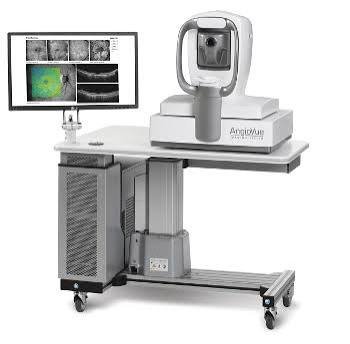 OCT & OCT Angiography
Cross-sections of the retina and optic nerve, and blood flow maps without dye
Humphrey Visual Field Analyser
Maps the field of vision to detect and track glaucoma damage
OCT & OCT Angiography
Cross-sections of the retina and optic nerve, and blood flow maps without dye
Humphrey Visual Field Analyser
Maps the field of vision to detect and track glaucoma damage
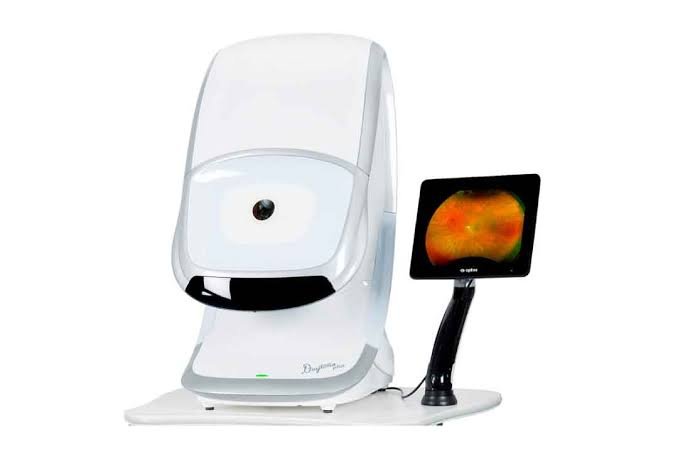 Optos Ultra-Widefield Imaging
Photographs 200 degrees of retina in one capture, periphery included
Fundus Photography & FFA
Documents the retina and traces leaking vessels in diabetic disease
Optos Ultra-Widefield Imaging
Photographs 200 degrees of retina in one capture, periphery included
Fundus Photography & FFA
Documents the retina and traces leaking vessels in diabetic disease
 Corneal Topography & Tomography
Maps corneal shape and thickness to screen for keratoconus and plan laser surgery
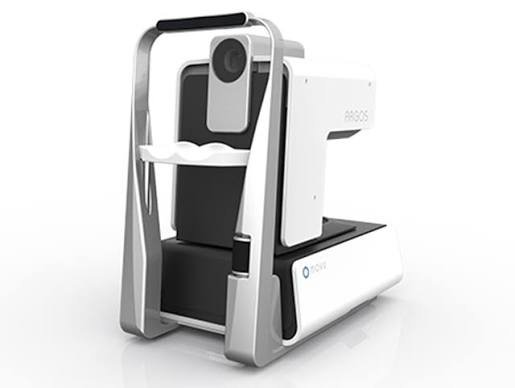
ARGOS Optical Biometer
Biometry that reads through dense cataracts where older machines fail
Corneal Topography & Tomography
Maps corneal shape and thickness to screen for keratoconus and plan laser surgery
ARGOS Optical Biometer
Biometry that reads through dense cataracts where older machines fail
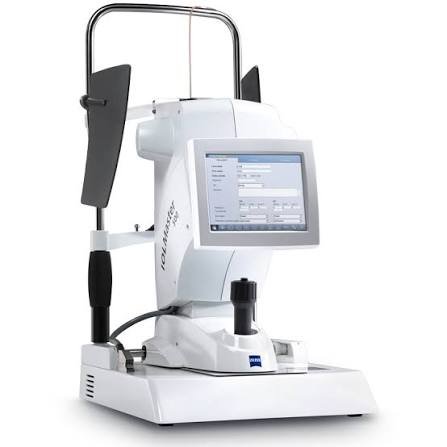 IOLMaster 700
Swept-source biometry for accurate lens power calculation
Digital Slit-Lamp Imaging
Records the cornea, lens and lids so change is compared, not remembered
IOLMaster 700
Swept-source biometry for accurate lens power calculation
Digital Slit-Lamp Imaging
Records the cornea, lens and lids so change is compared, not remembered
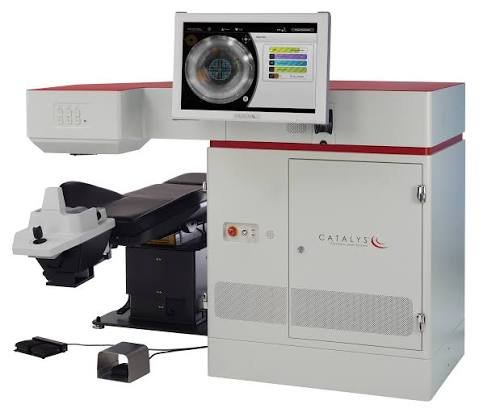 CATALYS Precision Laser
Femtosecond laser-assisted cataract surgery
FS200 & FS60 Femtosecond Lasers
Bladeless flap creation for LASIK and corneal procedures
CATALYS Precision Laser
Femtosecond laser-assisted cataract surgery
FS200 & FS60 Femtosecond Lasers
Bladeless flap creation for LASIK and corneal procedures
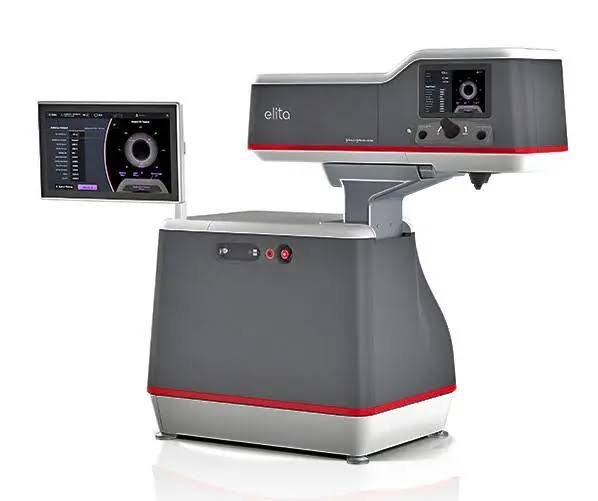 MEL 90 & MEL 60 Excimer Lasers
Corneal reshaping for LASIK and PRK
ELITA SILK Platform
Flapless lenticule extraction for laser vision correction
MEL 90 & MEL 60 Excimer Lasers
Corneal reshaping for LASIK and PRK
ELITA SILK Platform
Flapless lenticule extraction for laser vision correction
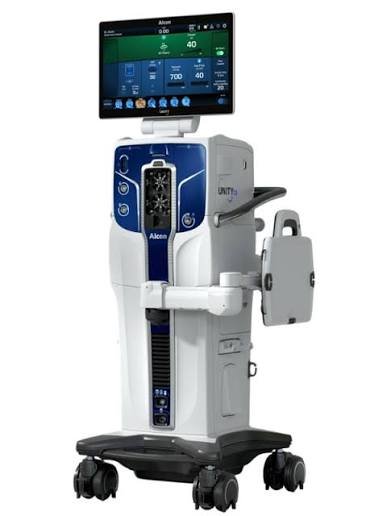 Alcon UNITY Vision System
Next-generation phacoemulsification and vitrectomy platform
Centurion Vision System
Phacoemulsification with active fluidics for chamber stability
CONSTELLATION Vision System
Vitreoretinal surgery for detachment, haemorrhage and macular disease
Alcon UNITY Vision System
Next-generation phacoemulsification and vitrectomy platform
Centurion Vision System
Phacoemulsification with active fluidics for chamber stability
CONSTELLATION Vision System
Vitreoretinal surgery for detachment, haemorrhage and macular disease
Step by step, from first visit to final review
No surprises. Here is exactly how this unfolds.
-
Booking and history
Book online, on WhatsApp or by phone. No referral letter is needed. Bring your current glasses, any old prescriptions, your last blood sugar report and a list of the medicines you take, including inhalers and skin creams.
-
Vision and refraction
An optometrist records distance and near vision, then works out your refraction on autorefraction followed by a subjective trial. This takes about fifteen minutes and gives the consultant a baseline.
-
Pressure and front-of-eye examination
Applanation tonometry for intraocular pressure, then a slit-lamp examination of the lids, tear film, cornea, iris and lens. Most dry eye and early cataract diagnoses are made at this bench.
-
Dilation
Drops are instilled and take twenty to thirty minutes to work. Vision goes blurred and light-sensitive for four to six hours afterwards, so do not plan to drive yourself home or return to close work.
-
Retinal and optic nerve examination
With the pupil wide, the consultant examines the macula, the optic disc and the peripheral retina. Any scan the findings call for is done now, in the same visit, and read before you leave.
-
Explanation and a written plan
You get your findings in plain language, the prescription if you need one, a written plan with costs where treatment is involved, and a date for the next check. If everything is normal, we tell you that and when to come back.
Why patients choose us for comprehensive eye care
Every speciality in one building
A finding on your retina does not become a referral letter and a three-week wait. The retina consultant sees you the same day, in the same visit, with your scans already on the screen.
6,25,000+ patients since 1993
Thirty-four years of comprehensive practice across five centres. Enough volume that the uncommon presentations are not unfamiliar ones.
Scans when indicated, not by default
An OCT is ordered because the examination raised a question, not because a machine is idle. If you do not need a test, you will not be billed for one.
NABH-accredited across all centres
Independently audited protocols for infection control, equipment calibration and record keeping, at the smaller centres as well as the flagship.
Costs stated before, not after
Consultation and test charges are told to you upfront. Our insurance desk handles cashless pre-authorisation with more than thirty partners, along with CGHS, ECHS, Aarogyasri and Ayushman Bharat.
Consultants who handle comprehensive eye care
The same consultants practise across our centres — you get the specialist, not the postcode.
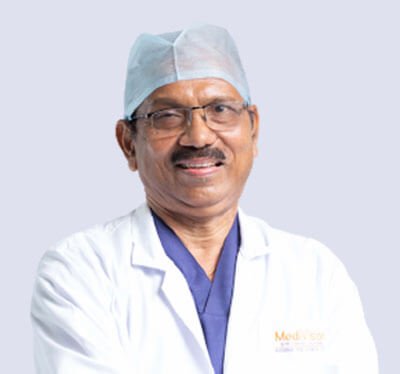 Dr. K. Ravi Kumar ReddyFounder · Sr. Consultant Ophthalmologist & Phaco Surgeon
Comprehensive
Dr. K. Ravi Kumar ReddyFounder · Sr. Consultant Ophthalmologist & Phaco Surgeon
Comprehensive
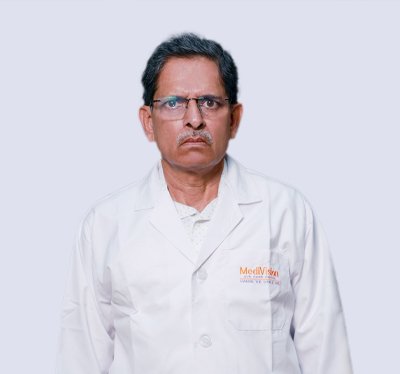 Dr. Prem Prakash ReddySr. Consultant Ophthalmologist
Cataract
Dr. Prem Prakash ReddySr. Consultant Ophthalmologist
Cataract
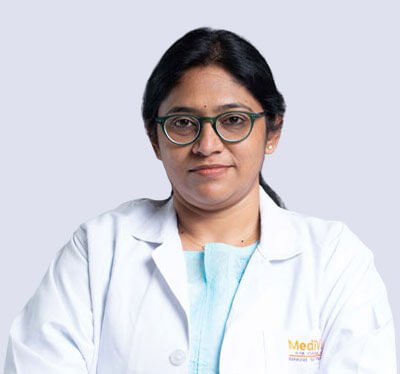 Dr. A. Vani ReddySenior Phaco Surgeon
Comprehensive
Dr. A. Vani ReddySenior Phaco Surgeon
Comprehensive
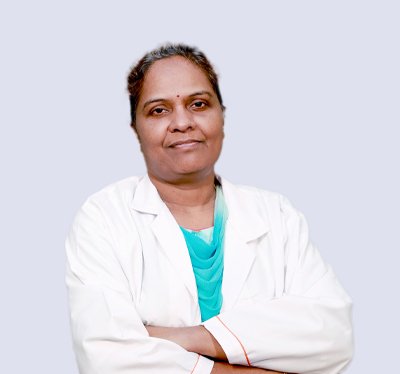 Dr. Thota Padma SreeConsultant Ophthalmologist
Comprehensive
Dr. Thota Padma SreeConsultant Ophthalmologist
Comprehensive
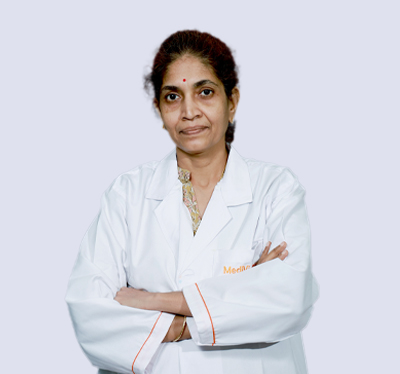 Dr. C. AnuradhaConsultant Ophthalmologist
Comprehensive
Dr. C. AnuradhaConsultant Ophthalmologist
Comprehensive
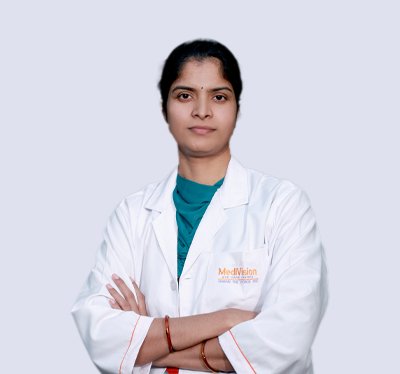 Dr. ManjulaConsultant Ophthalmologist
Comprehensive
Dr. ManjulaConsultant Ophthalmologist
Comprehensive
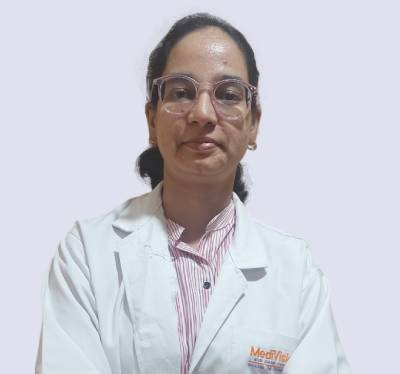 Dr. Abeer FathimaConsultant Ophthalmologist
Cataract
Dr. Abeer FathimaConsultant Ophthalmologist
Cataract
 Dr. Priyank MaheshwariConsultant Ophthalmologist & Phaco Surgeon
Where comprehensive eye care is available
Listed plainly so you do not travel to the wrong centre.
| Centre | Status | What is offered |
|---|---|---|
| Masab Tank, Hyderabad | Available | Full diagnostic work-up, dry eye and computer vision syndrome |
| KPHB, Kukatpally | Available | Full check-ups, spectacles and contact lenses |
| Warangal | Available | Full examinations, spectacles and contact lenses |
| Nalgonda | Available | Full examinations, spectacles and contact lenses |
| Badvel, Kadapa | Available | Full eye examinations and spectacles |
Comprehensive Ophthalmology — your questions answered
How long does a comprehensive eye examination take?
Budget 45 to 60 minutes for the examination itself, and closer to 90 minutes overall if dilation is required, because the drops take about half an hour to work. If scans such as OCT or visual fields are added, allow another 30 minutes. We would rather you set aside a full morning than be rushed through the retinal check.
Do I need a referral to book an appointment?
No. You can book any speciality directly, including retina, glaucoma and cornea, without a referral letter from a physician or another eye clinic. If you are unsure which clinic your symptom belongs to, book comprehensive ophthalmology and we will route you internally after the examination.
Is a comprehensive eye hospital better than a single-speciality centre?
For a defined problem that is already diagnosed, a good subspecialist centre works perfectly well. The advantage of a comprehensive hospital shows up when the problem is not yet defined, or when it crosses two clinics, which happens often: cataract with glaucoma, diabetes with dry eye, a squint that turns out to have a retinal cause. Here those cases are settled in one visit instead of three appointments in three places.
How is this different from an eye test at an optical store?
An optical store measures your refraction, which tells you what lens power sharpens the chart. It does not measure intraocular pressure, examine the optic nerve or dilate your pupils to inspect the retina, and the person doing it is not qualified to diagnose disease. Glaucoma, diabetic retinopathy and macular disease are all invisible to a spectacle test, and all three commonly present with normal chart vision.
At what age should a child have a first eye check-up?
A screening examination at around six months, again at three years and once more before starting school. Children rarely report poor vision because they have nothing to compare it against, and a strong eye will quietly compensate for a weak one. Amblyopia treated before about age eight usually responds well, and after that the window closes, which is why we do not wait for a complaint.
I have diabetes but my vision is fine. Do I still need an eye check?
Yes, and this is the single most important line on this page. Diabetic retinopathy causes no symptoms until it reaches the macula or a vessel bleeds into the vitreous, by which point treatment is harder and the result less certain. A dilated retinal examination every year, from the date of diagnosis, is the standard of care regardless of how good your sugar control or your vision is.
Will I be able to drive home after the examination?
Not if you are dilated. The drops blur near vision and make you very light-sensitive for four to six hours, and there is no way to reverse them quickly. Bring someone with you, or plan on a cab. Sunglasses help on the way out.
What if the examination finds nothing wrong?
Then we tell you that clearly and give you a date to come back, which is a useful result rather than a wasted visit. A normal baseline recorded today is what lets us prove a change five years from now, particularly for optic disc appearance and cataract progression. We will not manufacture a diagnosis or sell you a treatment you do not need.
Is a routine check-up covered by insurance?
Outpatient consultations and diagnostic tests are usually not covered by standard health insurance policies, which pay for admitted treatment. Surgical procedures such as cataract, retinal surgery and glaucoma surgery are covered by most policies and by CGHS, ECHS, Aarogyasri and Ayushman Bharat. Our insurance desk checks your specific policy and tells you the exact out-of-pocket figure before anything is booked.
Are all services available at every MediVision centre?
No, and it is better you know before you travel. Comprehensive ophthalmology, cataract surgery and routine retina care run at all five centres. Complex vitreoretinal surgery, corneal transplantation, oculoplasty and refractive surgery are concentrated at the 50-bed Masab Tank flagship, where the theatres and equipment for them sit. The availability table on this page lists it centre by centre.
Often looked at alongside this
Cataract Surgery
Micro-incision and femtosecond laser-assisted cataract surgery, with the full range of monofocal, toric and multifocal lenses.
Learn moreRetina Care
Diabetic retinopathy, macular degeneration and retinal detachment — screened early, treated with injections, laser or vitrectomy.
Learn moreGlaucoma Treatment
The vision glaucoma takes does not come back — which is why detection, not treatment, is the real work.
Learn moreCornea & Dry Eye
Keratoconus cross-linking, corneal transplantation and a dedicated dry-eye clinic with IPL therapy.
Learn moreBook a full eye examination
One visit tells you the state of your pressure, your lens, your macula and your optic nerve. Most people walk out reassured, and the ones who do not are glad they came early.