SILK Laser Vision Correction
No blade, no flap, and a cornea that keeps more of its own strength
SILK removes a thin sliver of tissue from inside your cornea and lifts it out through an opening a few millimetres wide. Nothing is cut and folded back. We offer it at Masab Tank and KPHB only, and the eligibility consultation is free, because the most useful thing we can tell you is whether your eyes are suited to it at all.
What SILK actually does
Your spectacle power exists because the cornea, the clear dome at the front of the eye, bends light slightly too much or too little. Every laser vision correction procedure fixes that by reshaping the cornea. What separates them is how the laser reaches the tissue it needs to remove.
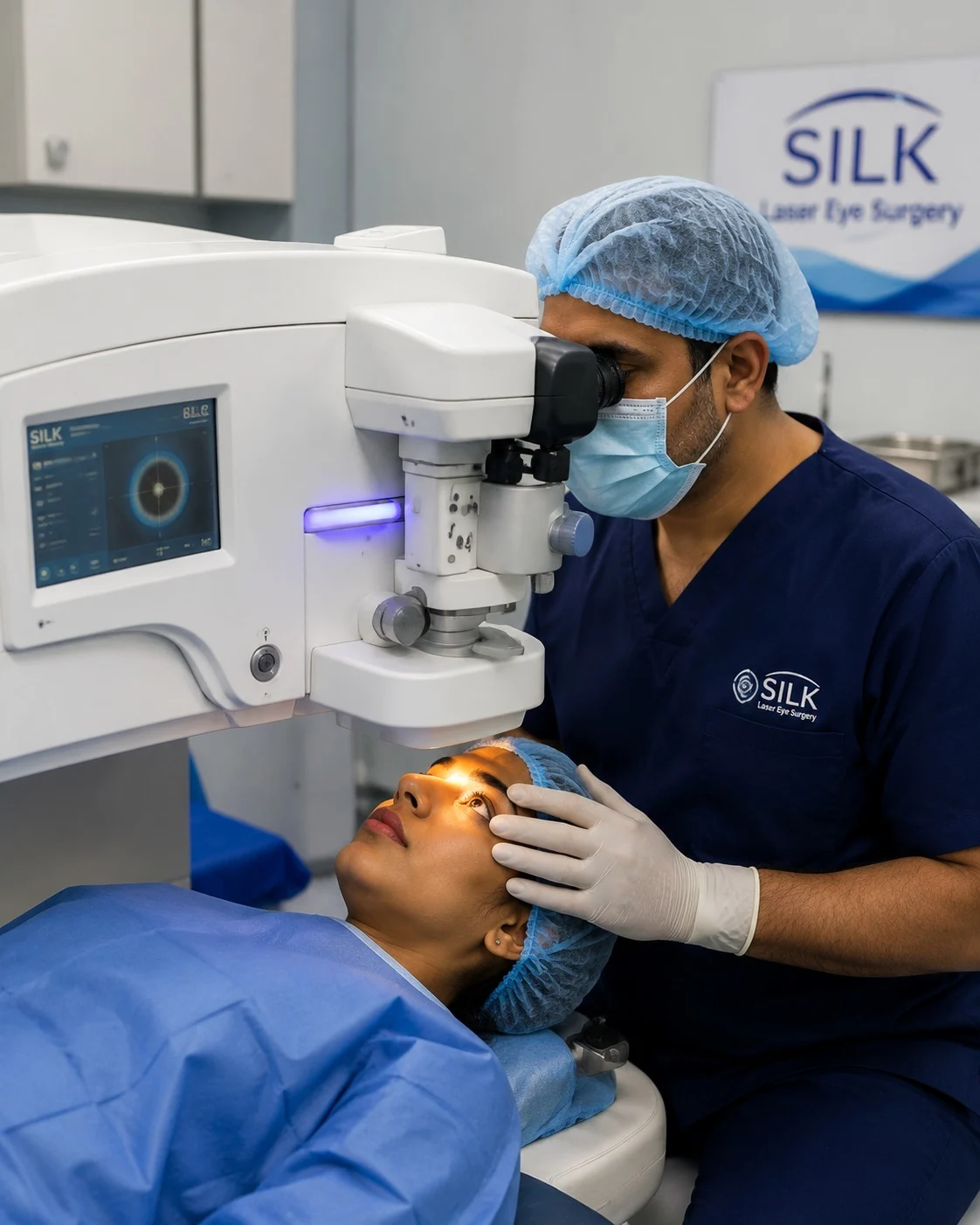
SILK stands for Smooth Incision Lenticule Keratomileusis. A femtosecond laser works entirely inside the cornea, tracing the outline of a contact-lens-shaped disc of tissue called a lenticule. The surgeon lifts that lenticule out through a small side opening. The front surface stays intact apart from that opening, which is the whole point: the strongest layers are left where they are, and far fewer corneal nerves are cut.
Not sure if this applies to you?
A single examination answers it definitively. If you do not need treatment, we will tell you that too — and when to come back.
How SILK differs from LASIK
Both correct the same prescriptions and both give excellent vision. The difference is what happens to the front of your cornea while they do it.
LASIK cuts a flap. SILK does not.
In LASIK a hinged flap about 20 mm around is created in the front of the cornea, lifted, and laid back down after the excimer laser reshapes the bed beneath. It heals well, but the flap edge never regains its full original strength. In SILK there is no flap. The correction happens inside the cornea and leaves through an opening of a few millimetres.
Fewer nerves cut means less dry eye
The nerves that tell your eye to produce tears run through the front of the cornea. A large flap cut severs a lot of them, which is why dry eye is common for three to six months after LASIK. A small side incision severs far fewer, so dryness after SILK is usually milder and shorter. Milder, not impossible.
More biomechanical strength retained
The front layers of the cornea carry most of its structural load. SILK takes tissue from the middle and leaves those front layers largely undisturbed. That matters if you play contact sports, work in dusty conditions, or simply do not want a flap that can in rare cases be displaced by a hard knock.
Where LASIK still wins
LASIK treats long sight, SILK currently does not. LASIK enhancements are easier to perform if a small residual power remains. And LASIK has three decades of published follow-up behind it. Neither procedure is simply better than the other. They suit different eyes.
What happens in the laser room
One laser, one sitting, both eyes usually done in the same visit. The laser portion itself is measured in seconds per eye.
1. Docking and centring
Anaesthetic drops numb the surface. A soft curved interface gently contacts the eye and the system centres itself on your visual axis. You will feel pressure and see the light dim briefly. There is no injection and no need to hold still by willpower alone.
2. The lenticule is traced
The femtosecond laser fires millions of microscopic pulses along two curved planes inside the cornea, defining the upper and lower surfaces of the lenticule. The shape of that disc is calculated from your own prescription and corneal map.
3. A small side opening
The same laser creates a single incision at the edge of the treatment zone, usually under 4 mm. Nothing is lifted, nothing is folded back. This opening is purely the doorway.
4. The lenticule is removed
The surgeon separates the disc with a fine instrument and draws it out through the opening. Removing that tissue changes the curvature of the cornea by exactly the amount your prescription requires.
5. Finished, without stitches
The incision seals on its own. No sutures, no eye pad, and in most cases no bandage contact lens. You rest for a short while, we check the eye, and you go home the same day with drops and written instructions.
Total time in theatre
Both eyes together take roughly twenty minutes from walking in to walking out, of which the laser is a small fraction. Most of that time is preparation, positioning and the final check.
You are awake throughout and can hear us. Nothing is asked of you except to keep looking at the fixation light, and the system tracks your eye continuously in case you drift.
Why we chose ELITA for SILK
SILK is not a technique that can be performed on any femtosecond laser. It runs on the ELITA platform, and the platform is a large part of why the results are what they are.
- Very low pulse energy, very tight spot spacingELITA places its laser spots closer together at lower energy than earlier generations. The practical result is a smoother lenticule interface, less tissue disturbance, and a cleaner separation for the surgeon.
- Real-time OCT guidanceIntegrated optical coherence tomography lets the surgeon see a live cross-section of your cornea while the treatment is planned and delivered, confirming depth and centration rather than assuming them.
- Treatment planned from your own corneaThe lenticule geometry is generated from your topography, pachymetry and refraction, not from a standard nomogram. Two people with the same spectacle power do not get the same treatment.
- Fast visual recoveryThat smoother interface is the reason most patients see usefully well the next morning, rather than waiting several days for the surface to clear.
- An established global safety recordLenticule extraction has been performed on millions of eyes worldwide over more than a decade, with published outcomes for safety, predictability and stability. ELITA is the current generation of that approach, not an experiment.
- Available at Masab Tank and KPHBThe ELITA system is installed at two of our five centres. If you are evaluated at Warangal, Nalgonda or Adilabad, we assess you there and schedule the procedure at whichever of the two is closer to you.
Who SILK suits, and who it does not
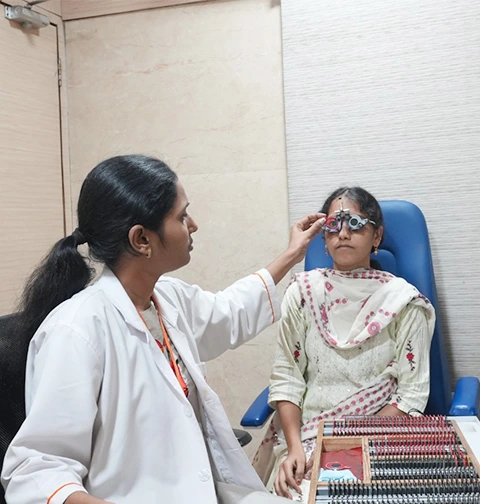
This is the part of the consultation that matters most. A cornea that is thin, irregular or unstable should not have laser vision correction of any kind, and we would rather find that out on the scanner than in theatre.
| If this describes you | Is SILK an option? | What we would do instead |
|---|---|---|
| Age 18 to 40, prescription unchanged for a year | Usually yes | Proceed once topography and thickness are checked |
| Short sight up to about -10 D, with or without astigmatism | Usually yes | Confirm on corneal mapping first |
| Long sight (hypermetropia) | No, SILK does not treat it today | LASIK, or a lens-based option |
| Thin cornea or an irregular topography pattern | No | PRK, an ICL, or honestly, glasses |
| Keratoconus, even early or only suspected | No | Cross-linking to stabilise first, then reassess |
| Ongoing dry eye, infection or inflammation | Not yet | Treat the ocular surface, then re-measure |
| Pregnant or breastfeeding | Postpone | Wait until the prescription settles again |
| Diabetes with retinopathy, or advanced glaucoma | Case by case | Retina and pressure assessment before any laser |
| Over 45 with reading vision already changing | Possible, after a frank conversation | Accept that reading glasses will still be needed |
A real proportion of people who come in for a SILK evaluation are told they are not suitable. That is not a sales failure, it is the examination doing its job. If we say no, we will show you which measurement made us say it and explain what your alternatives are.
The practical advantages
Stated plainly, without the adjectives. These are the differences patients actually notice.
No flap to worry about
There is no flap that can be displaced by a knock, a rubbed eye or an airbag. For anyone who plays cricket, boxes, does martial arts or works in the field, this is the single biggest reason to choose SILK.
Less dry eye
Fewer corneal nerves are cut, so tear production is disturbed less. Most patients still need lubricating drops for a few weeks, but the prolonged dryness some people report after LASIK is much less common.
Quick, comfortable recovery
Mild watering and grittiness for a few hours, then steady improvement. Most people are seeing well enough for normal indoor life by the next morning.
Corneal strength preserved
The load-bearing front layers of the cornea stay largely intact, which is reassuring over decades rather than months.
Precision you can see on screen
Live OCT confirms depth and centration during the treatment. You are not relying on an assumption about where the laser is working.
Back to work quickly
Desk work is usually possible in two to three days. Screens are fine from day two, in short stretches, with drops to hand.
SILK, LASIK and PRK compared
All three reshape the same cornea in three different ways. Here is what actually differs between them.
| What differs | SILK | LASIK | PRK |
|---|---|---|---|
| Flap created | None. A lenticule is drawn out through a side opening | Yes. A hinged flap is cut, lifted and replaced | None, but the surface layer is removed and regrows |
| Incision size | Under 4 mm | Roughly 20 mm of flap edge | No incision, an open surface wound instead |
| Dry eye risk | Lower, and usually shorter lived | Higher for the first three to six months | Moderate, settles as the surface heals |
| Biomechanical strength | Front layers largely preserved | Reduced by the flap interface | Well preserved, no flap made |
| Typical recovery | Useful vision in one to two days | Useful vision within a day | Three to five sore days, sharpness over weeks |
| Best suited to | Short sight and astigmatism, active lives, dry-eye-prone eyes | Short sight, long sight, eyes needing easy future touch-ups | Thinner corneas, surface irregularity, certain occupations |
No procedure on this table is the best one. PRK remains the right answer for a thin cornea, LASIK for long sight, and sometimes the right answer is glasses or an ICL. Your measurements decide that, not the marketing.
Getting the timing right matters more than getting it done fast
Laser correction locks in whatever prescription your eye has on the day. If that number is still moving, or the surface is unhealthy, the result will disappoint you. These are the things worth sorting out first.
A stable prescription
We want at least twelve months with no meaningful change in your power. If your glasses changed in the last year, wait. Correcting a moving target simply means needing glasses again in three years.
Time out of contact lenses
Contact lenses temporarily reshape the cornea and distort the very measurements the treatment is planned from. Stop soft lenses for at least a week, and rigid or scleral lenses for two to four weeks, before your scan.
Dry eye treated first
An unhealthy tear film gives unreliable topography and makes recovery uncomfortable. If your surface needs lubricants, lid hygiene or IPL therapy, we do that first and re-measure afterwards.
Not during pregnancy or breastfeeding
Hormonal changes shift both prescription and tear film. It is a temporary reason to wait, not a permanent no. Around three months after you stop feeding is a reasonable point to re-check.
General health accounted for
Uncontrolled diabetes, autoimmune disease and some medicines affect healing. Tell us everything you take, including isotretinoin for acne, which is a genuine reason to postpone.
Planning your SILK timeline
| Stage | When |
|---|---|
| Free eligibility consultation | Any working day, no preparation needed |
| Stop soft contact lenses | At least 7 days before the detailed scan |
| Stop rigid or scleral lenses | 2 to 4 weeks before the detailed scan |
| Full pre-operative work-up | Allow 2 to 3 hours, dilating drops are used |
| Procedure day | Both eyes in one sitting, home the same day |
| Reviews | Next day, week 1, month 1, then month 3 |
The equipment behind the diagnosis
A recommendation is only as good as the measurement it rests on. These are the machines your findings come from.
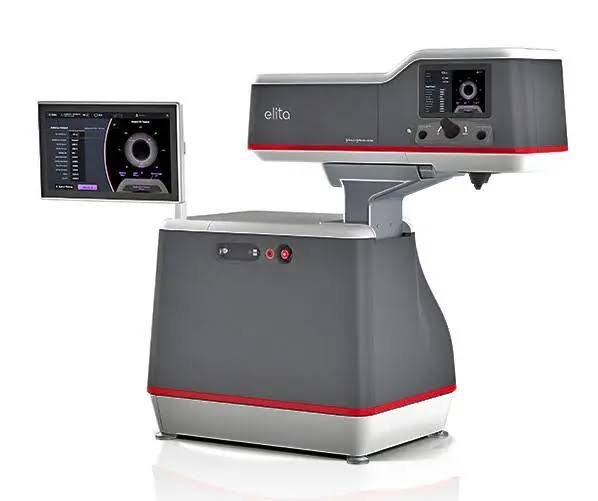 ELITA Femtosecond Laser
The platform SILK lenticule extraction runs on
ELITA Femtosecond Laser
The platform SILK lenticule extraction runs on
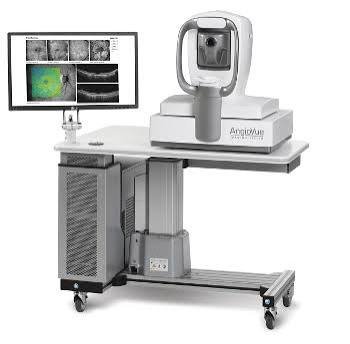 OCT & OCT Angiography
Corneal depth mapping and retinal health before laser
OCT & OCT Angiography
Corneal depth mapping and retinal health before laser
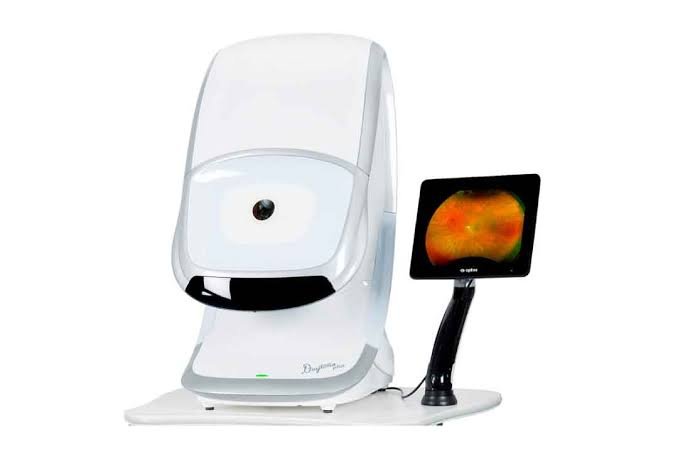 Optos Ultra-Widefield Imaging
Screens the peripheral retina, essential in high myopia
Optos Ultra-Widefield Imaging
Screens the peripheral retina, essential in high myopia
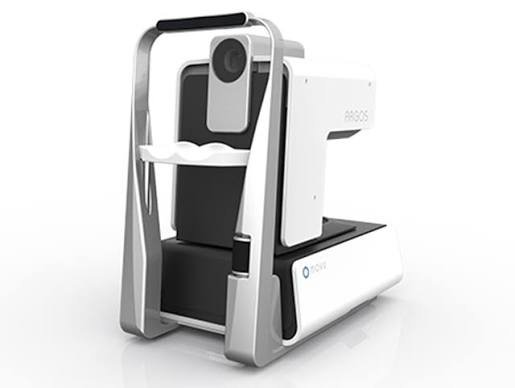 ARGOS Optical Biometer
Axial length and anterior chamber measurement
ARGOS Optical Biometer
Axial length and anterior chamber measurement
Step by step, from first visit to final review
No surprises. Here is exactly how this unfolds.
-
Free eligibility consultation
Vision check, a look at your current prescription, and a first assessment of whether SILK is even in the conversation for you. This visit costs nothing and takes under an hour. If the answer is clearly no, you hear it here rather than after three more appointments.
-
Detailed pre-operative work-up
Corneal topography, pachymetry, pupil measurement in dim light, tear film assessment, dilated retinal examination and a cycloplegic refraction. Two to three hours, and you should not drive yourself home afterwards because of the dilating drops.
-
Your numbers, explained
The surgeon shows you your own corneal maps and thickness figures and explains what they permit. SILK, LASIK, PRK, ICL or nothing at all, with the rupee cost of each in writing before you decide anything.
-
Procedure day
Come with clean eyes, no make-up, no perfume, and someone to take you home. Both eyes are usually treated in one sitting. Roughly twenty minutes in theatre, a short rest, a check, and you leave.
-
The first 24 hours
Expect watering, light sensitivity and a gritty feeling for a few hours. Sleeping it off is genuinely the best thing you can do. Do not rub the eyes. Most people wake the next morning able to see the room clearly.
-
Follow-up and settling
Reviews the next day, at one week, one month and three months. Drops for two to four weeks, sunglasses outdoors, no swimming for a fortnight. Vision usually sharpens further over the first month and stabilises by three.
Why patients choose us for SILK
One of only two centres with ELITA
SILK runs at our Masab Tank and KPHB hospitals. The same surgeons and the same protocol at both, so you choose on travel time rather than on standard of care.
We measure before we recommend
Nobody is quoted for SILK before their topography, pachymetry and retinal scan are on the screen in front of them. If the numbers do not support it, we say so and explain what does.
Free consultation, costs in writing
The eligibility consultation is free. If you go ahead, you get a full rupee figure covering the procedure, medicines and every follow-up visit before you commit to anything.
1,35,000+ surgeries since 1993
Thirty-four years of eye surgery behind the refractive service, and 30+ specialists across the group to handle whatever the pre-operative scans turn up.
NABH-accredited theatres
Independently audited sterilisation, theatre discipline and patient safety systems across all five centres, not only the flagship.
Consultants who handle SILK
The same consultants practise across our centres — you get the specialist, not the postcode.
Where SILK is available
Listed plainly so you do not travel to the wrong centre.
| Centre | Status | What is offered |
|---|---|---|
| Masab Tank, Hyderabad | Available | ELITA flapless SILK — available here and at KPHB only |
| KPHB, Kukatpally | Available | ELITA flapless SILK — one of only two centres offering it |
| Warangal | Referred | SILK is available at Masab Tank and KPHB |
| Nalgonda | Referred | SILK is available at Masab Tank and KPHB |
| Badvel, Kadapa | Referred | SILK is available at Masab Tank and KPHB |
SILK Laser Vision Correction — your questions answered
What is ELITA, and is SILK safe?
ELITA is the femtosecond laser platform SILK is performed on. Lenticule extraction as a technique has been carried out on millions of eyes worldwide over more than a decade, with published data on safety, predictability and long-term stability. Like any surgery it carries risks: under-correction or over-correction, temporary dry eye, and rarely an interface problem needing further treatment. Serious sight-threatening complications are very uncommon, but they are not zero, and we go through them with you before you sign anything.
Will my night vision get worse?
Most people notice some glare or haloes around lights for the first few weeks, which then fades. Large pupils and higher prescriptions carry a slightly greater chance of night-time glare persisting, which is exactly why we measure your pupil size in dim light during the work-up. If your pupils are unusually large relative to the treatment zone, you will hear about it before the procedure rather than after.
Can I have SILK if I already had LASIK years ago?
Usually not. An eye that already has a LASIK flap is a poor candidate for lenticule extraction, because the laser would have to work around an existing interface. If you have a residual or regressed prescription after previous LASIK, the realistic options are a flap-lift enhancement, a surface treatment such as PRK, or an ICL. Bring your old operative records so we can advise properly.
Does SILK correct reading vision?
No. SILK corrects distance vision. Presbyopia, the age-related loss of near focus that starts around 40 to 45, comes from the natural lens inside the eye stiffening, and no corneal laser addresses that. If you are over 40 and have SILK, you will still need reading glasses. For people who want both distance and near, a lens-based procedure is the honest answer, not a corneal one.
I have dry eyes. Can I still have SILK?
Often yes, and SILK is generally kinder to a dry eye than LASIK because far fewer corneal nerves are cut. But dry eye has to be assessed and treated before the procedure, not after. We check tear break-up time, meibomian gland function and surface staining, and if the eye is inflamed we treat it with lubricants, lid care or IPL therapy and then re-measure. Operating on an unhealthy tear film gives unreliable measurements and an uncomfortable recovery.
When can I wear eye make-up again?
Leave eye make-up completely alone for two weeks, including kajal, mascara, eyeliner and false lashes. Particles and brush bristles near a healing incision are an infection risk you do not need. Face creams and foundation away from the lid margin are fine after a few days. Throw out old mascara and kajal rather than reusing them when you restart.
Is SILK covered by health insurance?
Almost never. Laser vision correction is treated as an elective refractive procedure by nearly all Indian insurers and by CGHS and ECHS, so it is paid out of pocket. A small number of corporate group policies include a refractive benefit and some employers reimburse it, so it is worth asking your HR department. We give you the full rupee estimate upfront, and the front desk can explain the EMI options.
I am over 40. Am I too old for SILK?
Not automatically. Age itself is not a bar as long as your prescription is stable, your cornea is healthy and there is no early cataract forming. What changes after 40 is the expectation: distance vision can be corrected, but reading glasses stay part of your life, and if the natural lens is already beginning to cloud, a lens-based procedure may serve you better and last longer. We examine the lens carefully in anyone over 40 for exactly this reason.
How soon can I go back to work and screens?
Desk work is usually comfortable within two to three days. Screens are allowed from day two in short stretches with frequent lubricating drops, because concentrating on a monitor cuts your blink rate and makes a healing eye feel dry. Outdoor or dusty work needs about a week plus protective glasses. Swimming pools, saunas and contact sports wait two weeks.
What if I blink or move during the laser?
You cannot blink, because a small speculum holds the lids apart, and the eye is docked to the laser interface so it cannot wander. The system also tracks eye position continuously and pauses if anything moves outside tolerance, then resumes from the same point. This is one of the most common fears people bring in and one of the least likely things to cause a problem.
Often looked at alongside this
LASIK & Refractive Surgery
Freedom from glasses through LASIK, SILK, PRK, ICL or refractive lens exchange — matched to your cornea, not to a trend.
Learn moreCornea & Dry Eye
Keratoconus cross-linking, corneal transplantation and a dedicated dry-eye clinic with IPL therapy.
Learn moreCataract Surgery
Micro-incision and femtosecond laser-assisted cataract surgery, with the full range of monofocal, toric and multifocal lenses.
Learn moreComprehensive Ophthalmology
A full diagnostic examination that checks the whole eye — not just what prescription you need.
Learn moreFind out whether your eyes are suited to SILK
The eligibility consultation is free and takes under an hour. You leave knowing which procedures your cornea can safely take, what each would cost in rupees, and whether waiting is the wiser option. SILK is performed at our Masab Tank and KPHB centres.