
Everything around the surgery, arranged
The operation is the short part. Visas, transfers, somewhere to stay, someone who speaks your language, insurance paperwork and follow-up from home — that is what our international desk exists for.

A named coordinator, from the first email to the last review
International patients get one coordinator who stays with the case throughout. They arrange your appointments, chase your reports, sit in on the admission paperwork, and are the person you message at eleven at night when your flight has moved.
That single point of contact matters more than any other part of the service. Travelling for surgery goes wrong when the hospital speaks to you through five different desks, none of which knows what the last one promised.
The practical support
Medical visa assistance
We issue the hospital invitation letter and treatment plan your medical visa application needs, with the diagnosis, planned procedure, estimated cost and expected duration of stay set out in the format missions expect.
Airport transfer
Pick-up from Rajiv Gandhi International Airport and transfer to your hotel or the hospital, arranged in advance so you are not negotiating with a taxi at midnight after a long flight.
Accommodation near the hospital
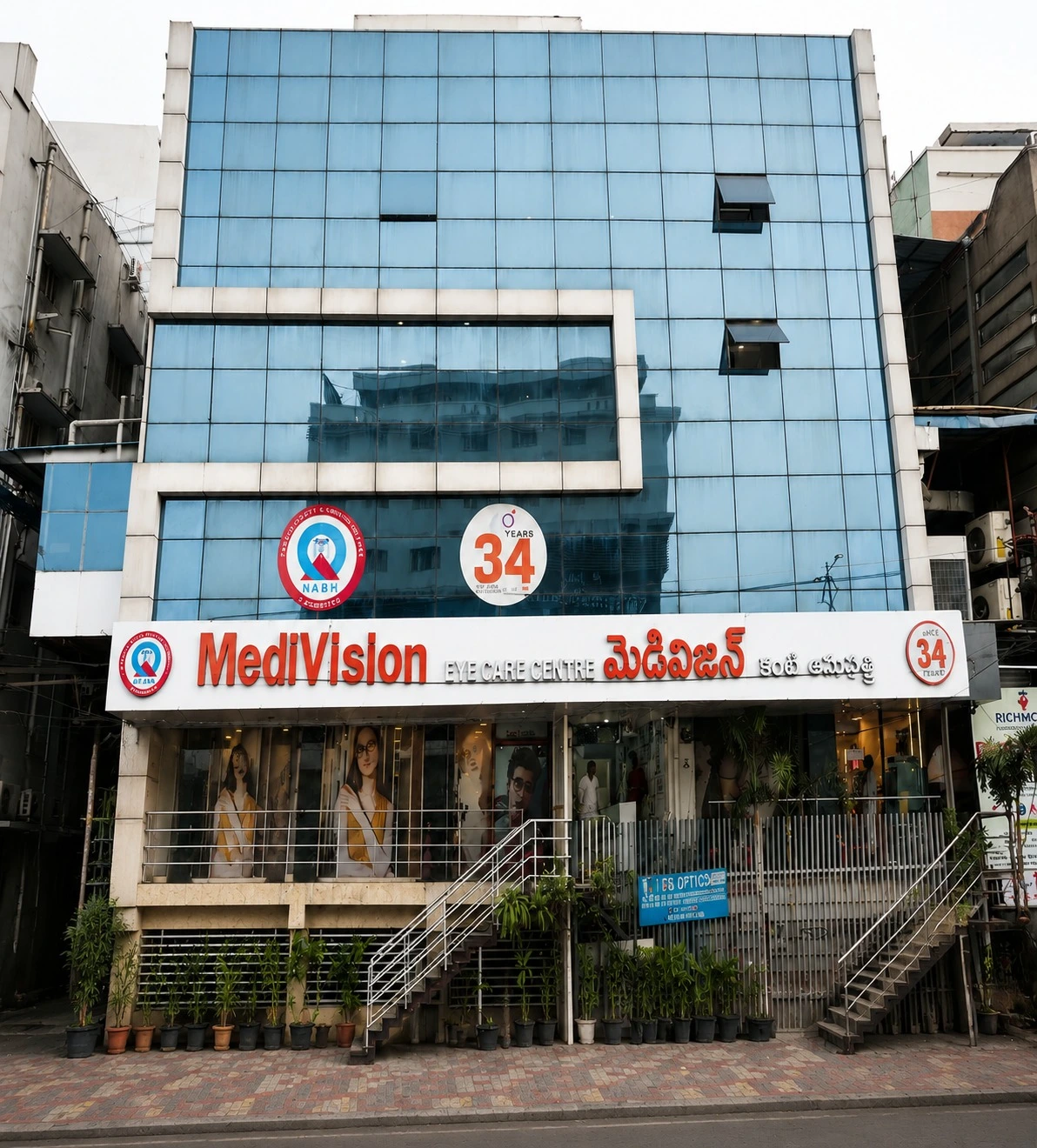
Hotels and serviced apartments close to our Masab Tank centre, across a range of budgets, booked for you. Being a few minutes from the hospital matters more than you would expect during the review days.
Interpreters
Consultations run in English. Where you would rather be seen in another language, we arrange an interpreter for the consultation, the consent conversation and the discharge instructions — the three that matter.
Insurance documentation
Pre-authorisation letters, medical reports, itemised bills and discharge summaries prepared in the format international insurers and embassies require, so your claim does not stall on formatting.
Video follow-up after you fly
Post-operative reviews by video consultation, with your operative note and imaging already sent to your ophthalmologist at home so they can examine you with full information.
What we commit to for every international patient
Written down because a promise made across a time zone needs to be specific.
- A specialist opinion before you spend anythingThe pre-travel teleconsultation is free, and it is a real clinical opinion. If travelling here is not in your interest, you will be told that.
- Costs in writing, in advanceAn itemised estimate covering consultation, investigations, procedure, implant, stay, medicines and follow-up. If our own examination changes it, you are told before anything proceeds.
- Consent explained, not just signedWhat the procedure does, what it will not fix, the realistic risks and the alternatives — in a language you are comfortable in, before the form is put in front of you.
- Your own records, in your handsOperative notes, images, scans and discharge summary given to you as you leave, not requested afterwards through email chains.
- A realistic date for flying homeTold to you before you book a return ticket, and enforced. After gas-assisted retinal surgery in particular, flying too early is genuinely dangerous.
- Privacy across bordersYour records are shared only with the doctors you name, and only with your consent. Nothing goes to a third party — insurer, agent or employer — without your written authorisation.
A short checklist for the trip
-
Send documents early
Passport copy, reports, scans and prescriptions, at least a few weeks before travel. Visa letters cannot be rushed, and missions ask questions.
-
Bring your originals
Original reports, imaging on disc or drive if you have it, your current glasses and a written list of every medicine you take, including anything for blood pressure, diabetes or blood thinning.
-
Plan a companion if you can
After dilation or surgery your vision will be blurred and light-sensitive for hours. Having someone with you makes the days between surgery and review far easier.
-
Keep the return ticket flexible
Book flexible or refundable where possible. Clinical plans occasionally shift by a day or two, and a rigid ticket is what turns that into a problem.
Questions patients ask us
Do you help with the medical visa?
Yes. We issue the hospital invitation letter and treatment plan, setting out the diagnosis, planned procedure, estimated cost and expected length of stay in the format Indian missions expect. The visa decision itself rests with the mission in your country.
Can you arrange airport pick-up and a hotel?
Yes — both. Transfer from Rajiv Gandhi International Airport and accommodation near our Masab Tank centre across a range of budgets, booked before you land.
Will there be someone who speaks my language?
Consultations run in English, and Telugu and Hindi are spoken throughout the hospital. For other languages we arrange an interpreter for the consultation, the consent conversation and your discharge instructions.
How does follow-up work once I am home?
By video consultation with your surgeon here, and by sending your operative note, discharge summary and imaging to your local ophthalmologist so they can examine you with the full picture. We stay reachable.
Can my international insurance be used?
Many international policies reimburse rather than pay directly. We prepare pre-authorisation letters, medical reports, itemised bills and discharge summaries in the format insurers require. Check with your insurer before travelling whether treatment abroad is covered and what pre-approval they need.
How soon can I fly after eye surgery?
It depends on the procedure. After routine cataract or laser vision correction, usually within a few days. After retinal surgery involving an intraocular gas bubble, flying is prohibited until the gas has absorbed — which can take weeks. You will be given an exact date before you book a return ticket.
Plan your treatment with our international desk
Send your reports and travel dates and we will come back with a clinical opinion, a written estimate and a schedule.